
Sports massage is a manual therapy that involves employing a range of specialised techniques and strokes to address specific issues or injuries, facilitating targeted relief and promoting optimal recovery
See how it can benefit you for Injury Recovery & Rehabilitation
Sports massage is more than a treat — it's a clinically proven manual therapy that addresses the root cause of tightness, pain, and restricted movement. Using anatomy, physiology, and biomechanics as the foundation, every session is tailored to your body and your goals, whether that's recovering from an injury, managing chronic pain, or simply moving better day to day.
I combine sports massage with a full range of complementary techniques — including deep tissue massage, myofascial release (MFR), trigger point therapy, muscle energy techniques (MET), and soft tissue mobilisation to give you the most effective treatment for your specific issue. No single technique works for everyone, so I build each session around what your body actually needs
What to expect in your first session

If any of this sounds familiar, sports massage can genuinely help:
-
Desk-based tension — tight shoulders, a stiff neck, or a nagging lower back from hours at a screen
-
Chronic or persistent pain, long-standing discomfort that hasn't responded to rest alone, where targeted soft tissue work can help identify what's actually driving it
-
Manual or physically demanding jobs, repetitive strain, heavy lifting, or long hours on your feet all take a toll the same way training mileage does
-
Poor sleep or general stress and tension held in the body affects sleep quality, and releasing it can help both
-
Recovering from everyday injuries, a strained back from gardening or DIY responds to the same evidence-based techniques as a running injury
-
General mobility and wellbeing, you don't need pain or a problem to benefit; regular treatment helps maintain movement and catch small issues before they become bigger ones
Sports Massage is for Everyday Life
Sports massage might have "sports" in the name, but the techniques work just as well for anyone dealing with tension, pain, or restricted movement, whether that comes from a training block or simply sitting at a desk all day

Whether you're an elite ultra runner tackling 100 miles across Exmoor, or someone who just wants to move through daily life without stiffness and discomfort, the same expert, evidence-based approach applies to you. You don't need to be "sporty," train for anything, or have a specific injury to benefit — you just need a body that could move a little better, feel a little looser, or cope a little more comfortably with whatever your day-to-day actually involves. Book Now

Cyclists — tight hip flexors, quads, and lower back tension from time in the saddle

Footballers, rugby & team sports, hamstring, groin, and lower limb focus, plus pre-season conditioning support
For Runners, Marathoners & Ultra Runners Sports Massage Built Around Your Training
As a runner myself, I understand the specific demands that marathon and ultra training place on the body — the cumulative fatigue, the recurring niggles, and the fine line between pushing on and needing to rest. Sports massage is a key part of staying injury-free through high-mileage training blocks, whether you're building toward your first 10K or deep into ultra distance:
Marathon & ultra runners
Targeted work for the cumulative strain of high weekly mileage: calves, IT band, glutes, and plantar fascia, plus support through peak training blocks and taper
5K–10K runners
Helping you build mileage safely, manage common overuse issues, and stay consistent through a training block without setbacks
Trail & ultra terrain
Relief for the ankles, calves, and stabilising muscles that take extra strain on uneven ground and long descents
I'll get you to the start line — whether that's a local 10K or an ultra — in the best shape possible
Gym-goers & strength trainers — recovery support and DOMS management between sessions

Client review
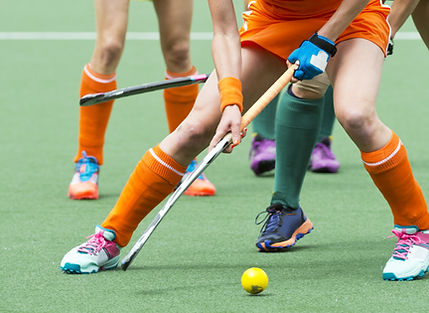
Clum Vale Hornets Hockey Player
Helen is an excellent therapist.
I was really struggling with my back, but even after just the first session, the improvement is such that I am much more comfortable at work and feel able to start playing sports again
How Often Should Runners Get a Sports Massage?
For most runners in regular training, a sports massage every 3–4 weeks helps keep tightness and overuse issues from building up before they become injuries. If you're in a heavier training block — building mileage for a marathon or ultra — fortnightly sessions can help you manage cumulative fatigue and stay consistent.
Timing around race day matters too:
-
Pre-race — book your session in the week before your event, not the day or two right before. This allows your muscles time to recover from the treatment itself so you arrive at the start line feeling loose, not tender
-
Post-race — a session within a few days of racing helps with recovery, flushing out soreness and catching any niggles early before they turn into something that sidelines your next training block

I regularly support runners preparing for and recovering from local events, including the Grand Western Canal 10K, Tiverton Harriers races, and local parkruns — as well as clients training for demanding ultras and trail races, including UTMB Mont-Blanc, Marathon des Sables, the Arc of Attrition, the Two Moors Ultra (Exmoor), the North Coast 110, and many more.
Client Testimonial - Local Runner in Tiverton preparing for a race
After hearing positive things about Helen, I went and booked an appointment due to a recurrence of a hamstring injury. Helen provided professional but clear advice on how to manage the injury and provided treatment. Helen went above and beyond what I would have expected to ensure I was prepared for an upcoming race. Including an extra appointment the day before. Whilst remaining professional, Helen is friendly and provides a relaxing environment for treatment.
Sports Massage for Runners Race FAQ
Read more about running and injury prevention
How soon before a race should I book a sports massage?
Ideally in the week before your race, not the day or two right before. A deep treatment can leave muscles feeling tender for 24–48 hours, so booking too close to race day risks you starting tired rather than fresh. 4–7 days out is the sweet spot for most runners.
Can I get a sports massage the day before a race?
Yes, absolutely- a pre -race treatment. If you want something the day before, a very light, flushing-style session focused on circulation rather than deep tissue work is safer — but for most runners, resting and
How soon after a race can I get a massage?
Yes — sports massage is one of the most effective ways to manage delayed onset muscle soreness (DOMS), improving circulation to tired muscles and helping you get back to training sooner without pushing through unnecessary stiffness. But wait at least 48–72 hours after a marathon or ultra before a deep treatment — muscles need time to begin natural repair first. A gentler session in the first day or two can help with circulation and mental recovery, with deeper work coming once initial soreness has settled.
Will sports massage help with DOMS after a long run?
Should I get regular massages during marathon or ultra training, or just around race day?
Both matter, but regular sessions through your training block (every 3–4 weeks, or fortnightly during peak mileage) do more for long-term injury prevention than a single pre-race session ever can. Race-day timing is the finishing touch on top of consistent maintenance.
Can sports massage help prevent common running injuries like shin splints or IT band issues?
Regular treatment helps identify tightness and imbalances before they become the kind of overuse injury that forces you out of training — it's not a guarantee against injury, but it's one of the most effective preventative tools available alongside good training progression.
Do I need to be training for a specific event to book a sports massage?
Not at all — while many of my clients are training for a specific race, sports massage is just as valuable for general running maintenance, whether or not you have an event on the calendar.